
Volleyball Rules Simplified for Beginners
This guide aims to demystify the rules for beginners, offering a straightforward path to understanding the game.
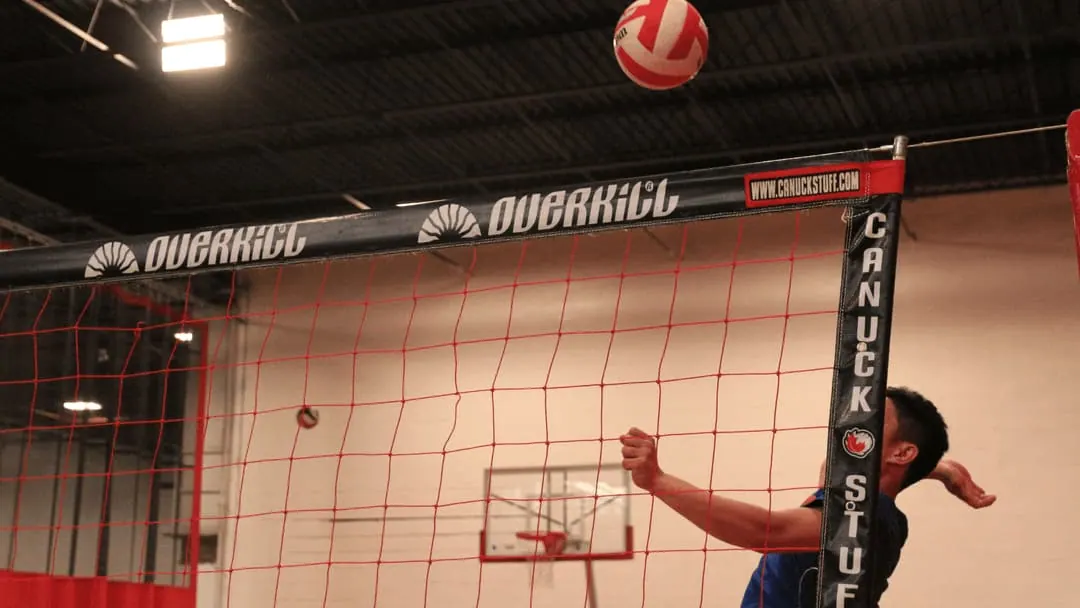
Volleyball is a thrilling sport enjoyed worldwide, known for its fast-paced action and complex teamwork. This guide aims to demystify the rules for beginners, offering a straightforward path to understanding the game.
The Volleyball Court
Court dimensions and layout
A standard volleyball court measures 18 meters long and 9 meters wide, divided into two halves by a net. Knowing the layout helps players position themselves correctly during the game.
Net height differences for men and women
The net height is set at 2.43 meters for men and 2.24 meters for women. This variation ensures the game remains competitive and fair across genders.
Starting the Game
The serve: rules and techniques
The serve initiates play and must be executed from behind the end line until it contacts the ball. The serving player must also ensure the ball crosses over the net to the opposing side.
Rotation system explained
Teams must rotate their position clockwise each time they win the serve from the opponent. This rotation is crucial for fair play and ensures all players participate in front and backcourt play.
Scoring System
Point system: how to score in volleyball
Points are scored when the ball lands on the opponent’s court, or an error is made. Volleyball uses a rally scoring system, meaning a point can be won regardless of which team served.
Winning a set: points needed and tiebreak rules
A match typically consists of five sets. The first team to reach 25 points wins a set, but they must win by at least a two-point margin. If a fifth set is needed, it is played to 15 points.
Basic Rules of Play
Number of hits per side
Each team is allowed up to three successive contacts with the ball to return it to the opponent’s court. This includes any combination of hits, provided no player hits the ball twice consecutively.
Legal vs. illegal hits Hits must be clean, with the ball not coming to rest or being carried. Players should not catch or throw the ball during play.
Specialized Techniques
Spiking rules
A spike involves hitting the ball forcefully down into the opponent’s court. The spiker must execute the move without touching the net or crossing the center line.
Blocking: what’s allowed and what’s not
Players can block the ball back into the opponent’s court but must not contact the ball within the opponent’s space unless it’s coming over the net.
Serving Regulations
Types of serves: underhand, overhand, jump serve
Different serves offer strategic advantages. For example, an overhand serve is faster and more powerful, while a jump serve combines height and power for a challenging delivery.
Serving faults and common errors
Common serving errors include stepping on or over the baseline before striking the ball, serving the ball into the net, or out of bounds.
Libero Specifics
Role and Restrictions of the libero
The libero is a defensive specialist who cannot serve, block, or attempt to block. They wear a different coloured jersey and can substitute any back-row player without prior notice to officials.
Impact on game strategy
The libero's ability to play an extended defensive game enhances the team’s stability and passing precision, crucial for setting up offensive plays.
Timeouts and Substitutions
Rules for calling timeouts
Each team is allowed a limited number of timeouts per set, typically two, providing a strategic break to discuss plays or disrupt the opponent's momentum.
Substitution limitations and strategies
Substitutions are restricted to ensure the game flows smoothly. Teams often strategize substitutions to maximize player strengths in various phases of the game.
Advanced Play
Overhand passes and setting rules
Setting involves strategic passes that set up a teammate for a spike. Proper setting is crucial for effective offensive strategies and must be performed cleanly without catching or holding the ball.
Strategies for defensive and offensive plays
Teams develop defensive strategies to counteract spiking and offensive moves, focusing on positioning and quick reactions to keep the ball in play.
Playing Etiquette
Sportsmanship and Conduct
Players are expected to maintain high standards of conduct, showing respect to teammates, opponents, and officials. This includes adhering to fair play principles and accepting referees’ decisions gracefully.
Interaction with referees and opponents
Respectful interaction involves accepting calls without dispute and managing conflicts through the team captain or coach, maintaining the integrity of the sport.
Understanding volleyball rules can enhance your enjoyment and performance in the game. We encourage beginners to use this knowledge as a foundation for growth and to actively participate in more games and training. With practice and commitment, the intricacies of volleyball become second nature, allowing you to fully embrace and excel in this dynamic sport.
Keep reading
- Skills & tips
Understanding Every Position in Volleyball
Learn about the various positions in volleyball and how they contribute to the team.
- Skills & tips

Fix Your 5 Most Common Volleyball Serving Mistakes
Learn to identify and fix the most common serving mistakes in volleyball to enhance your accuracy and power on the court.
- Skills & tips

Recreational vs Competitive Volleyball Leagues
Trying to decide between recreational and competitive volleyball leagues? Here’s a quick breakdown to help you choose