
5-1 vs. 6-Back Rotations in Volleyball: Key Differences Explained
Learn the distinct differences between 5-1 and 6-back rotations in volleyball. Which is best for your Volleyball Team?
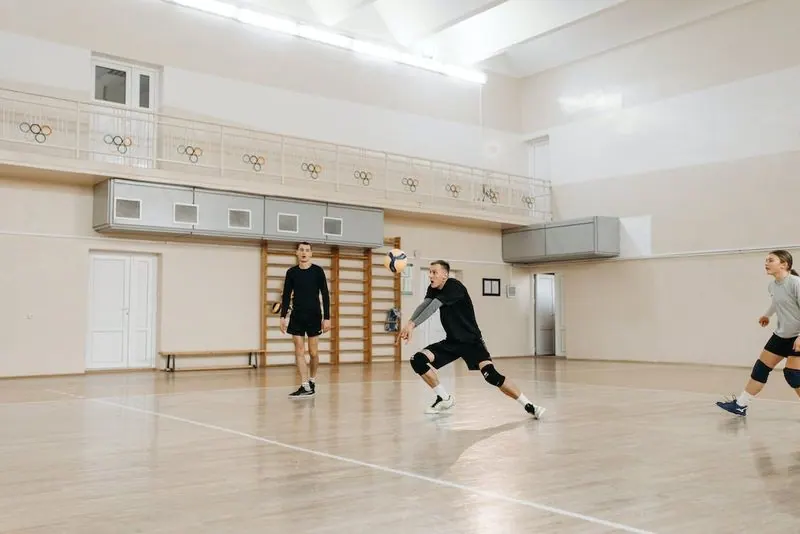
Volleyball is a sport that marries athleticism with strategy. The choice of rotation - whether it's a 5-1 or a 6-back rotation - can significantly influence a team's performance on the court. In this thorough exploration, we'll dissect the distinct differences between these two popular formations across various levels including intermediate volleyball, advanced volleyball, and drop in volleyball games.
An Overview of 5-1 and 6-Back Rotations
The 5-1 Rotation
In the 5-1 rotation, a single setter orchestrates the offense, setting the ball to five available hitters. This formation is known for its simplicity and consistency.
How To Run A 5-1 Volleyball Rotation (ANIMATED GUIDE)
The 6-Back Rotation
On the flip side, the 6-back rotation, also known as the 6-2 rotation, features two setters and a more fluid rotational system, leading to a dynamic offense and a solid block at the net.
Volleyball - 6 Back - Player rotations
Key Differences Between 5-1 and 6-Back Rotations
Number of Setters and Hitters
The most obvious difference lies in the number of setters and hitters. The 5-1 rotation relies on one setter, while the 6-back rotation utilizes two, offering different strategic advantages.
Offensive Strategies
The 5-1 rotation is straightforward, with a fixed setter, whereas the 6-back rotation allows for a more varied offense due to the presence of an additional setter.
Defensive Capabilities
With more front-row blockers, the 6-back rotation can potentially offer a stronger defense, especially at the net.
Complexity and Ease of Execution
The 5-1 rotation is simpler and easier to execute, making it a popular choice for intermediate volleyball. In contrast, the 6-back rotation requires a higher level of understanding and coordination, often favoured in advanced volleyball.
Tactical Implications Across Different Levels of Play
Intermediate Volleyball
For teams at the intermediate level, the 5-1 rotation may provide a balance of ease and effectiveness, allowing players to focus on honing their skills.
https://www.youtube.com/watch?v=wKEyZenD-Sg
Advanced Volleyball
Advanced teams might prefer the 6-back rotation for its offensive and defensive versatility, which can be crucial in high-stakes volleyball games.
Volleyball Advanced Skill Level Explained | Javelin Sports
Drop in Volleyball
In casual or drop in volleyball settings, the choice between 5-1 and 6-back may come down to the player's preferences and the level of competitiveness desired.
Conclusion
The choice between 5-1 and 6-back rotations in volleyball can significantly impact a team’s strategy and performance on the court. Understanding the distinct differences and tactical implications of these formations is crucial for players and coaches looking to elevate their game. Whether you are engaged in intermediate volleyball, venturing into advanced volleyball, or enjoying a casual game of drop in volleyball, having a clear understanding of these rotations will undoubtedly enrich your volleyball experience.
Keep reading
- Skills & tips
Understanding Every Position in Volleyball
Learn about the various positions in volleyball and how they contribute to the team.
- Skills & tips

Fix Your 5 Most Common Volleyball Serving Mistakes
Learn to identify and fix the most common serving mistakes in volleyball to enhance your accuracy and power on the court.
- Skills & tips

Recreational vs Competitive Volleyball Leagues
Trying to decide between recreational and competitive volleyball leagues? Here’s a quick breakdown to help you choose